All articles
Resume
How to Write a Resume for Students: A Complete Guide
Crafting a resume for students can be challenging. Discover actionable tips to create an effective resume that stands out to employers.
The Ruubu Team··6 min read
Crafting a resume for students can be challenging. Discover actionable tips to create an effective resume that stands out to employers.
Writing a resume for students can feel daunting, especially if you’re entering the job market for the first time. A well-crafted resume is essential for showcasing your strengths, skills, and potential to employers. This guide will walk you through the process of creating an effective resume tailored to students, helping you to make a strong impression. Understanding how to present yourself on paper is a vital skill that will serve you throughout your career. A strong resume not only highlights your qualifications but also reflects your personality and ambition.
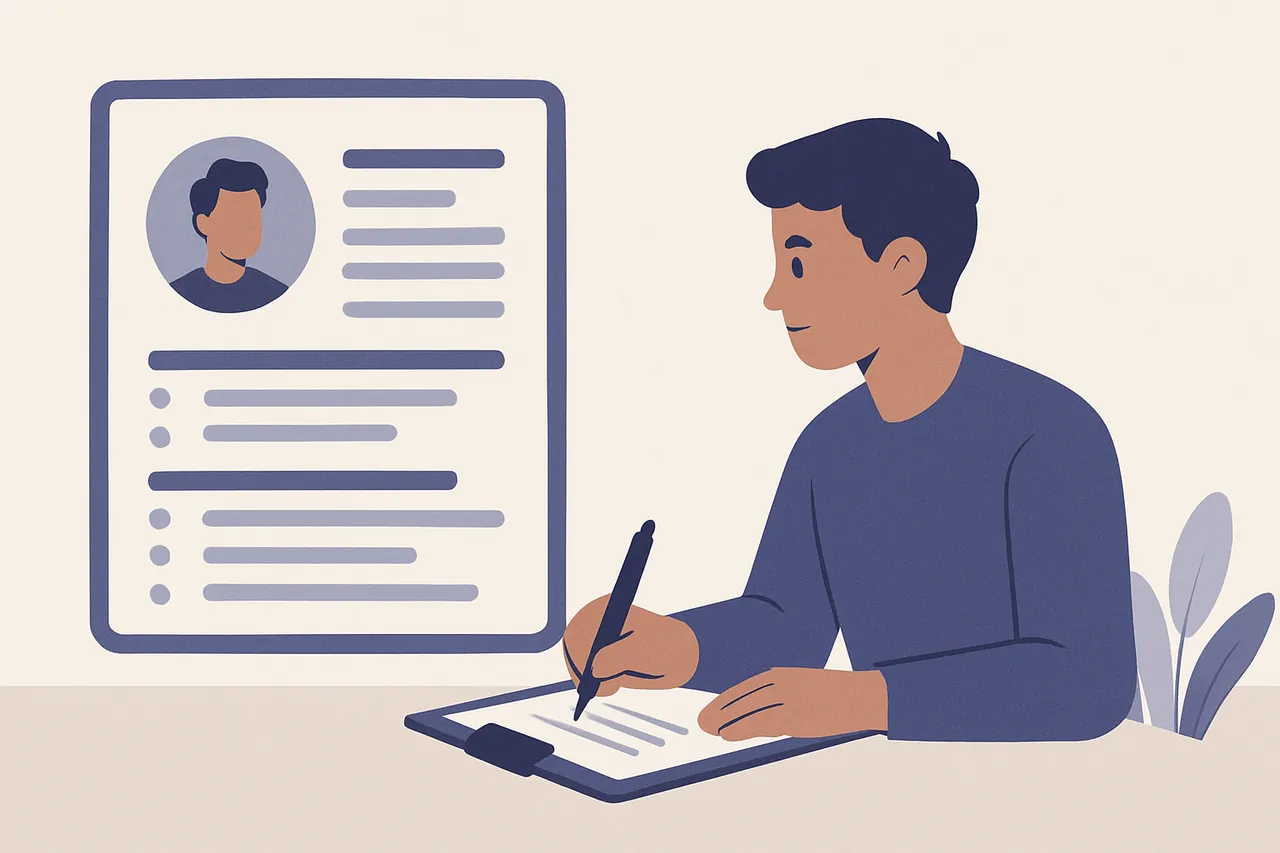
A resume serves as your personal marketing document. Its main purpose is to present your qualifications, experiences, and skills in a clear, concise manner. For students, the resume should highlight academic achievements, volunteer work, internships, and any relevant skills, even if you lack extensive work experience. Think of your resume as a snapshot of your professional self, designed to grab the attention of hiring managers and encourage them to learn more about you. In today’s competitive job market, a well-structured resume can be the difference between landing an interview and being overlooked.
Your resume should be structured in a way that showcases your best attributes. Here are the essential components to include:
Start with your name, phone number, email address, and LinkedIn profile (if applicable) at the top of your resume. Ensure your email is professional, ideally a combination of your first and last name. This section should be easy to find and read, as it’s the first thing potential employers will see. Remember, first impressions matter, and a clean presentation can set the tone for the rest of your resume.
A brief objective statement can provide context and highlight your career goals. Tailor it to the specific opportunity you’re seeking. This shows employers that you are not only interested in the position but also that you understand what the role entails. A well-crafted objective can convey your enthusiasm and what you can bring to the company, making you a more appealing candidate.
List your school, degree, major, and expected graduation date. You may also include relevant coursework or honors that demonstrate your expertise. If you have a high GPA or have received academic awards, consider including those to further bolster this section. Education is often a primary focus for students, and showcasing your academic achievements can illustrate your commitment to learning and personal growth.
Include internships, part-time jobs, or volunteer experiences. Focus on what you accomplished in these roles, using action verbs to describe your contributions. Quantify your achievements where possible; for instance, if you increased social media engagement for a project, mention the percentage increase. This not only provides concrete evidence of your capabilities but also demonstrates your ability to make a tangible impact.
Highlight skills that are relevant to the job you’re applying for. This can include technical skills, soft skills, and languages. Be honest about your abilities but also strategic—ensure you align your skills with what the employer is seeking. Tailoring this section for each application can significantly enhance your chances of standing out.
Involvement in clubs, sports, or organizations can showcase leadership and teamwork. Be sure to mention any positions held or initiatives led. This section can set you apart from other applicants by demonstrating your commitment and ability to work with others. Employers often value candidates who can balance academics with extracurricular interests, as it indicates strong time management and interpersonal skills.
It’s common to state that references are available upon request. Ensure you have a list prepared if asked by potential employers. Consider reaching out to professors or previous employers to ask if they would be willing to serve as references. Having reliable references can bolster your application and provide a personal touch that may resonate with hiring managers.
A clean, professional format is crucial. Here are some tips on how to format your resume effectively:
Customization is key when applying for jobs. Research the company and position, and use keywords from the job description in your resume. This increases your chances of passing through Applicant Tracking Systems (ATS) and catching the eye of hiring managers. Each job application is unique, and your resume should reflect that. Taking the time to tailor your resume demonstrates your genuine interest in the position and can significantly improve your chances of being selected for an interview.
Consider leveraging online tools to enhance your resume. Platforms like Ruubu offer a free resume builder that allows you to create a polished document quickly. These tools often provide templates and tips that can help you craft a more effective resume. Utilizing such resources can save you time and ensure that your resume meets current standards and trends.
After drafting your resume, it’s important to analyze it for effectiveness. Use tools available online to analyze your content. This can help you identify areas for improvement and ensure your resume meets industry standards. Don’t hesitate to revise multiple times; the best resumes are often the result of several iterations. Seeking feedback from peers or mentors can also provide valuable perspectives.
Your skills section is vital. Use a skills extractor tool to identify and showcase the most relevant skills for your target roles. Tailor this section based on the job requirements. By doing this, you can ensure that your resume speaks directly to what employers are looking for. Highlighting the right skills can set you apart in a competitive job market, making it essential to invest time in this section.
- Proofread for errors: Spelling and grammatical mistakes can create a negative impression. Use tools or ask someone else to review your resume.
- Keep it updated: Regularly revise your resume as you gain new experiences. This will make it easier to apply for jobs in the future.
- Seek feedback: Ask mentors or career services for input on your resume. They may offer insights that you hadn’t considered.
- Stay confident: Remember that your resume is a reflection of your journey. Embrace your unique experiences and skills.
Take the first step towards your dream job with our free resume builder!
Get Started NowRun a free analysis and see exactly where your profile stands — then fix it in minutes.
Analyze your profile