How to Write a Resume for Stay-at-Home Parents Returning
Crafting a resume as a stay-at-home parent can be challenging. Learn how to effectively showcase your skills and experiences to re-enter the workforce.
The Ruubu Team··6 min read
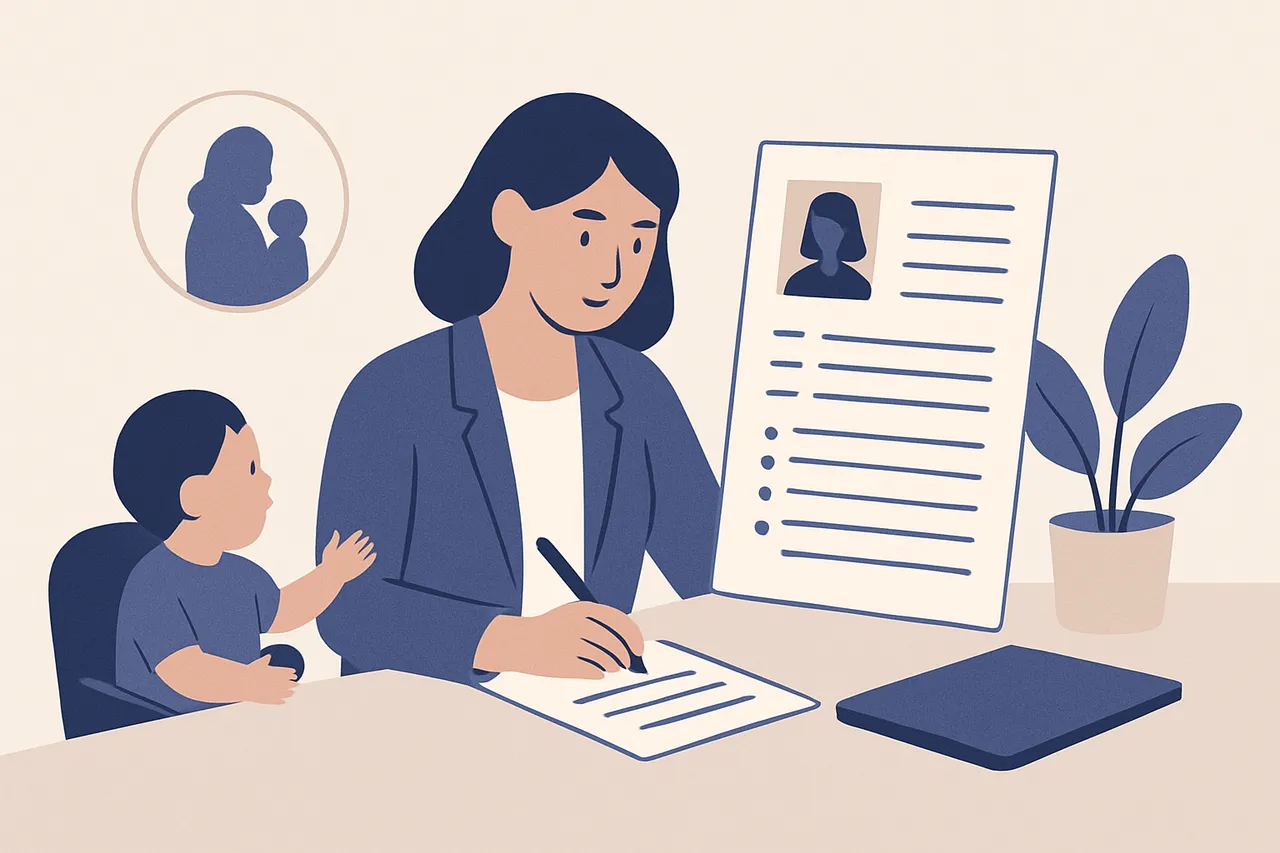
Returning to the workforce after a period of staying at home can be daunting. As a stay-at-home parent, you may feel that your time away from the professional realm has left you at a disadvantage. However, your experiences during this time can be invaluable. Crafting a strong resume for stay-at-home parents returning to work is crucial to re-entering the job market with confidence. Understanding how to present your skills and experiences effectively can make all the difference in catching the eye of potential employers.
Understanding Your Unique Skill Set
During your time at home, you’ve gained a multitude of skills that are applicable in the workplace. Skills such as time management, organization, negotiation, and communication are often honed in a home environment. It's essential to reflect on these experiences and how they translate into professional competencies. For instance, managing a household often requires budgeting skills and conflict resolution, which are highly valued in many job roles. In addition to these skills, you may have developed resilience, adaptability, and problem-solving abilities, all of which are critical in any work environment.
Time management: Juggling schedules and activities
Selecting the appropriate resume format is vital in presenting your skills effectively. For stay-at-home parents returning to work, a functional or combination resume format may be the best choice. This approach emphasizes skills and experiences over chronological work history, allowing you to highlight what matters most to potential employers. Additionally, using a format that resonates with your industry can help you align with the expectations of hiring managers.
Functional Resume Format
A functional resume focuses on your skills and abilities rather than your employment timeline. This format allows you to group your skills into categories, making it easier for potential employers to see the value you bring. For example, you might create sections for "Communication Skills" or "Project Management Skills" that detail specific experiences. This can be particularly beneficial if your work history includes gaps or if your most relevant experience comes from non-traditional settings.
Combination Resume Format
A combination resume merges both functional and chronological formats. It highlights your skills at the top while also providing a brief work history. This format is helpful if you have relevant past experience that you want to include, such as freelance work or volunteer positions that align with your desired job. By showcasing your skills alongside your employment history, you create a comprehensive picture of your qualifications.
Crafting the Content of Your Resume
When writing your resume, focus on the following key sections: Contact Information, Summary, Skills, Experience, and Education. Each section plays a critical role in presenting a comprehensive view of your qualifications. Consider how each section can tell your story and highlight your readiness to return to the workforce.
Contact Information: Include your name, phone number, email, and LinkedIn profile if applicable.
Summary: Write a brief summary that encapsulates your skills and what you bring to potential employers.
Skills: List relevant skills that you’ve developed, emphasizing those that align with the job you’re applying for.
Experience: Include any relevant volunteer work, freelance projects, or skills acquired during your time at home.
Education: List your degrees and any other relevant certifications.
Highlighting Relevant Experience
Even if you haven’t been in a traditional workplace, you can include relevant experiences. Consider volunteer work, part-time projects, or any freelance work you may have completed. Be sure to articulate what you did and the impact it made. For example, if you organized a community event, detail your role in planning, coordinating, and executing the event, including any measurable outcomes. This not only showcases your initiative but also demonstrates your ability to contribute meaningfully, which is a key consideration for employers.
Highlighting your accomplishments, no matter how small, can demonstrate your capability and readiness for a new role.
— Career Coach Tip
Tailoring Your Resume for Each Job
One of the most effective strategies in job searching is tailoring your resume for each position you apply for. Analyze job descriptions and match your skills and experiences to the requirements listed. This not only shows that you’re a good fit but also demonstrates your genuine interest in the position. Customizing your resume can significantly increase your chances of getting noticed. Take the time to highlight specific experiences that align with the job responsibilities, and use keywords from the job description to enhance your visibility.
Utilizing Tools to Perfect Your Resume
There are several tools available to assist you in crafting a standout resume. Consider using a resume checker to analyze your resume for common mistakes and areas for improvement. Additionally, an AI-powered resume builder can help format your document professionally, ensuring it meets industry standards and stands out to hiring managers. These tools can save you time and provide insights that you might not have considered, allowing you to focus on showcasing your strengths.
Final Steps Before Sending Out Your Resume
Before you start sending your resume to potential employers, take a moment to review and edit it. Look for grammatical errors, ensure the layout is clean and professional, and confirm that all information is accurate. You may also want to have a trusted friend or mentor review it for feedback. A fresh set of eyes can catch mistakes you might have overlooked and provide valuable insights. Additionally, consider how your resume reflects your personal brand and whether it aligns with the image you want to project to potential employers.
Conclusion and Next Steps
Navigating the transition from a stay-at-home parent back into the workforce can be challenging, but with a well-crafted resume, you can effectively showcase your unique skills and experiences. Remember to highlight your transferable skills, choose the right format, and tailor your resume for each job application. Take advantage of tools like analyze to refine your resume further. By putting in the effort to create a polished and targeted resume, you increase your chances of landing interviews and ultimately securing the job you desire. Embrace this opportunity as a chance to redefine your career path and demonstrate the value you can bring to a new role.
Create a standout resume that reflects your skills and prepares you for your job search.