Master the Hybrid Resume Format for Career Success
Learn how to create a hybrid resume format that effectively highlights your skills and experience for today's competitive job market.
The Ruubu Team··5 min read
In today's competitive job market, finding the right way to present your qualifications can make all the difference. The hybrid resume format combines the best elements of chronological and functional resumes, allowing you to showcase your skills alongside your work history. This format is particularly effective for individuals with diverse experiences or those transitioning between industries, as it highlights both your abilities and your career progression.
Understanding the Hybrid Resume Format
A hybrid resume format merges the chronological format, which lists your work experience in reverse order, with the functional format, which focuses on skills and accomplishments. This combination allows job seekers to emphasize their most relevant skills while also providing a clear timeline of their career.
Combines skills and work history
Ideal for career changers
Highlights achievements and experience
The hybrid resume offers flexibility, enabling you to tailor your application to different roles. By strategically organizing your resume, you can effectively communicate your value to potential employers, making it easier for them to see how your background fits their needs.
When to Use a Hybrid Resume
The hybrid resume is particularly useful in certain scenarios. If you're changing careers, have a varied work history, or want to emphasize skills over job titles, this format can help. It's also beneficial for those who have gaps in their employment history, as it allows you to bring attention back to your skills and achievements.
Career Changers
When transitioning to a new field, highlighting transferable skills can be more effective than listing unrelated job titles. A hybrid resume lets you draw focus to relevant abilities that apply to the new industry. For example, if you're moving from a role in marketing to one in project management, emphasize skills like communication, leadership, and strategic planning.
If your work history includes a variety of roles or industries, a hybrid format can help organize and present your experience in a cohesive way, demonstrating how your diverse background makes you a versatile candidate. This approach can be particularly advantageous in industries that value a multifaceted skill set, such as consulting or management.
Addressing Employment Gaps
Employment gaps can be a concern for job seekers. The hybrid resume allows you to focus on skills and accomplishments gained during these periods, such as freelance work, volunteering, or further education, which can demonstrate continuous professional development.
Key Components of a Hybrid Resume
Creating an effective hybrid resume involves balancing different elements to create a cohesive and comprehensive document. Here are the key components to include:
Contact Information: Start with your full name, phone number, email address, and LinkedIn profile if applicable.
Summary Statement: A brief paragraph that outlines your professional background and highlights key skills.
Skills Section: List relevant skills, categorizing them if necessary, to showcase your strengths.
Professional Experience: Include job titles, company names, locations, and dates, with bullet points summarizing your achievements.
Education: Mention your degrees, institutions, and graduation dates.
In addition to these elements, consider adding sections for certifications, languages, or technical proficiencies if they are relevant to the job you're applying for. This additional information can further differentiate you from other candidates.
Crafting Your Skills Section
The skills section is crucial in a hybrid resume format. Focus on skills that are directly relevant to the job you are applying for. Use bullet points for clarity, and consider grouping skills into categories such as technical, leadership, or communication.
Using Keywords
Incorporate keywords from the job description into your skills section. This not only demonstrates your understanding of the job requirements but also helps your resume pass through applicant tracking systems. Keywords might include specific tools, methodologies, or industry-specific terms that are essential for the role.
Highlighting Your Professional Experience
When detailing your work experience, focus on achievements and contributions rather than just responsibilities. Use action verbs and quantifiable results to make your accomplishments stand out.
Start each bullet with a strong action verb.
Quantify results with numbers or percentages.
Focus on outcomes and impacts.
For example, instead of saying "Responsible for managing a team," you could say "Led a team of 10 to achieve a 20% increase in sales over six months." This approach provides a clearer picture of your capabilities and the value you bring to an employer.
Finalizing Your Hybrid Resume
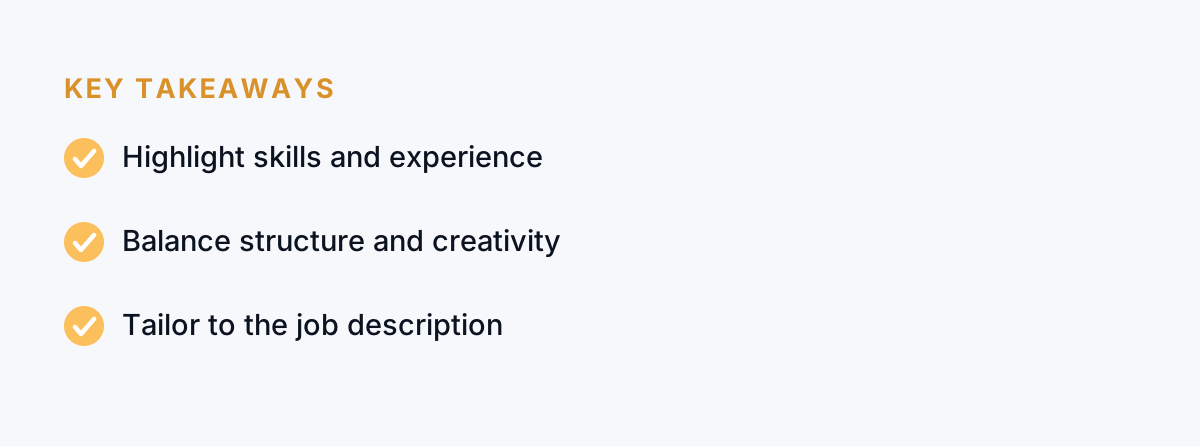
Before sending out your resume, ensure it's tailored to each job application. Customize your summary statement and skills section to align with the specific requirements of each position. Utilize a free resume builder to streamline the process and ensure your resume is polished and professional.
Proofreading and Formatting
Carefully proofread your resume for spelling and grammatical errors. Use a clean and professional template to ensure your resume is visually appealing and easy to read. Consistency in font size, style, and spacing can make a significant difference in the overall presentation of your resume.
Consider seeking feedback from peers or mentors who can provide an objective review of your resume. They might offer insights into areas you can improve or highlight achievements you may have overlooked.
Ready to craft your hybrid resume? Start with our free builder today.