Learn effective strategies to navigate AI resume screening and stand out in the job application process.
The Ruubu Team··5 min read
As technology evolves, so does the hiring process. In 2026, AI resume screening has become an integral part of recruitment, making it essential for job seekers to adapt their strategies. Understanding how these systems work and what they prioritize can significantly enhance your chances of landing an interview.
What is AI Resume Screening?
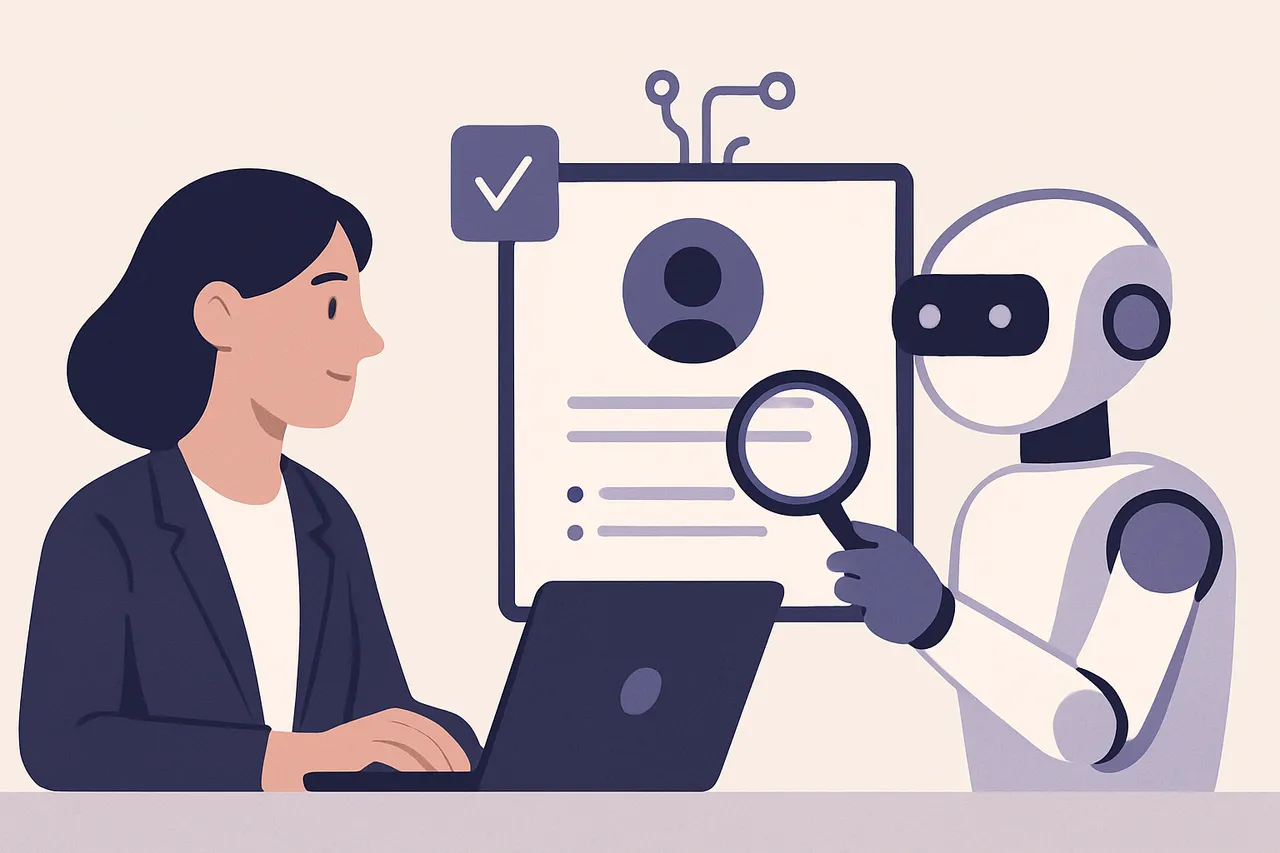
AI resume screening refers to the use of artificial intelligence software to evaluate resumes during the initial stages of the hiring process. These systems scan applications for specific keywords, qualifications, and experiences relevant to the job description. By automating the resume review process, companies can quickly filter out candidates who do not meet their criteria, saving time and resources. This means that for job seekers, a deep understanding of how to craft a resume that aligns with these automated processes is crucial.
Why You Should Care About AI Screening
With an increasing number of companies implementing AI resume screening, job seekers must recognize its impact on their applications. Here are a few reasons why understanding AI screening is crucial:
Most large companies now use AI tools for initial screening.
A significant percentage of resumes are discarded before human review.
AI can analyze resumes faster than any human recruiter.
How AI Evaluates Your Resume
AI screening tools utilize algorithms to evaluate resumes based on various factors. Key aspects include:
AI looks for specific keywords related to the job description. If your resume lacks these terms, it may not get past the initial screening.
Experience and Qualifications: The software assesses your work history and qualifications to determine if they align with the job requirements.
Formatting and Structure: Properly formatted resumes are easier for AI to read. Poor formatting may lead to misinterpretation of your qualifications.
Strategies to Optimize Your Resume for AI Screening
To successfully navigate AI resume screening, consider the following strategies:
Tailor Your Resume for Each Job
Every job application should be unique. Here's how to effectively tailor your resume:
Read the job description thoroughly and identify key skills and qualifications.
Incorporate relevant keywords from the job description into your resume.
Highlight experiences and accomplishments that directly relate to the position.
Use Job-Specific Keywords
Keywords can significantly influence whether your resume passes the AI screening. Consider these tips:
Research industry-specific terminology and include it in your resume.
Utilize synonyms for keywords to avoid repetition and increase your chances of matching the AI's criteria.
Focus on skills, tools, and technologies mentioned in the job posting.
Maintain a Clean and Simple Format
AI systems can struggle with complex formatting. To enhance readability, adhere to the following formatting tips:
Use standard fonts like Arial or Times New Roman.
Avoid excessive graphics, tables, or images that may confuse the AI.
Utilize bullet points for clarity and conciseness.
Common Mistakes to Avoid
While optimizing your resume, be mindful of these common pitfalls:
Overstuffing Keywords: While keywords are essential, avoid cramming them in unnaturally, as it can lead to a poor reading experience for human reviewers.
Ignoring ATS Compatibility: Ensure your resume is ATS-friendly by avoiding uncommon file types. Stick to PDF or Word formats if possible.
Neglecting Soft Skills: Many AI systems now assess soft skills too. Incorporate examples of how you’ve demonstrated these skills in your work experience.
The Role of Networking in the AI Era
While mastering AI resume screening is vital, don't underestimate the power of networking. Building relationships within your industry can open doors that AI cannot. Networking not only helps you uncover job opportunities but also allows you to gain insights into company cultures and hiring practices. In a world where AI determines the initial selection, personal connections can provide a significant advantage.
Leverage platforms like LinkedIn to connect with professionals in your field.
Attend industry events to meet potential employers and gather insights about their hiring processes.
Engage in informational interviews to learn about companies and roles you're interested in.
Future Trends in AI Resume Screening
As AI technology continues to evolve, so will the tools used in recruitment. Staying updated on trends can help you remain competitive. Look out for:
Increased focus on machine learning to refine the screening process.
The use of AI to analyze candidate behavior and fit beyond just resume content.
Integration of AI with video interviews to assess candidates' interpersonal skills.
The Importance of Resume Tailoring
To stand out in the competitive job market of 2026, tailoring your resume is not just beneficial—it's essential. By customizing your resume for each application, you can demonstrate to potential employers that you have taken the time to understand their needs and how your skills align with their goals. This effort can significantly increase your chances of passing through AI screening systems.
For more detailed strategies on how to tailor your resume effectively, check out our guide on resume tailoring. Tailoring your resume not only helps you pass AI screenings but also showcases your genuine interest in the position.
Conclusion
Navigating the complexities of AI resume screening in 2026 requires a strategic approach. By understanding how these systems work, tailoring your resume for each application, and leveraging your network, you can significantly improve your chances of standing out in a crowded job market. Remember that while AI can filter resumes, it cannot replace the human touch that comes from personal connections and tailored applications. Start optimizing your resume today and take the first step toward landing your dream job.
Take the first step to optimize your resume for AI screening.