How to List Volunteer Work on Your Resume Effectively
Learn how to showcase your volunteer work on your resume to enhance your job applications and stand out to employers.
The Ruubu Team··5 min read
In today's competitive job market, every detail on your resume counts. While professional experience is vital, many employers also value volunteer work for the skills and commitment it demonstrates. Learning how to effectively list volunteer work on your resume can set you apart from other candidates and showcase your diverse experience. This guide will delve deeper into the nuances of presenting your volunteer work, ensuring that you not only list it but also highlight its significance in your overall professional narrative.
Why Include Volunteer Work on Your Resume?
Including volunteer work on your resume can significantly enhance your candidacy. Volunteer experiences showcase not only your skills but also your character, work ethic, and willingness to engage with your community. Here are some compelling reasons to include volunteer work on your resume:
Demonstrates initiative and commitment
Highlights transferable skills
Shows cultural fit and values alignment
Fills employment gaps effectively
Employers often look for candidates who show a commitment to community service, as it reflects positively on their character. Including volunteer work can be particularly beneficial for recent graduates or individuals who may have gaps in their employment history. It allows you to demonstrate that you have been actively engaged and developing skills, even when not employed in a formal capacity.
Identifying Relevant Volunteer Experiences
Not all volunteer work is created equal when it comes to its relevance to your job application. When deciding what to include, consider the following:
To make the most of your volunteer experiences, reflect on how they relate to the job you’re targeting. For example, if you’re applying for a project management position, highlight volunteer roles where you coordinated events or led teams. This strategic alignment can make your resume more compelling.
In addition, think about the types of organizations you volunteered for. Experiences with well-known non-profits or community organizations can also enhance your credibility. If you’ve volunteered for a cause that aligns with the company’s mission, be sure to emphasize that connection.
How to Format Volunteer Work on Your Resume
When it comes to formatting volunteer work, clarity and consistency are key. Here’s a straightforward approach:
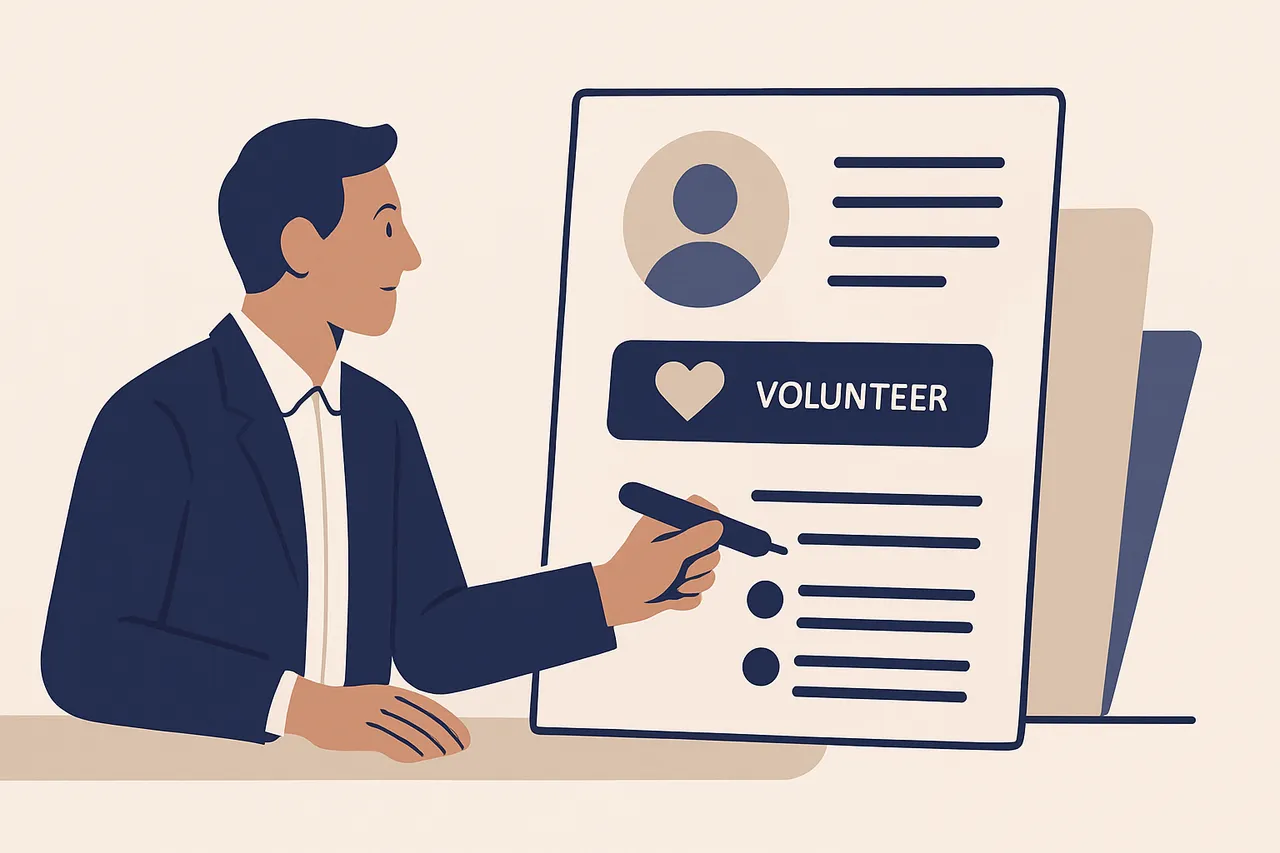
Use a dedicated section titled 'Volunteer Work' or 'Community Involvement'
List experiences in reverse chronological order
Include the organization name, your role, and dates of service
Example Format for Listing Volunteer Work
Your listing might look something like this:
Volunteer RoleOrganization NameCity, StateMonth Year – Month Year
- Brief description of your responsibilities and achievements.
This format not only provides clarity but also allows potential employers to quickly see your volunteer contributions without sifting through excessive detail.
Highlighting Skills and Achievements
When detailing your volunteer experiences, focus on specific skills and achievements. Here are some tips to guide you:
Use action verbs to describe your contributions
Quantify your achievements where possible (e.g., 'Managed a team of 10 volunteers')
Connect your volunteer work to the job description
Quantifying Volunteer Contributions
Quantifying your contributions can be particularly persuasive. Instead of saying 'helped organize events,' you might say, 'Coordinated 5 fundraising events that raised over $10,000 for local charities.' Such specifics provide tangible evidence of your impact.
Additionally, consider the skills you developed through these experiences. For instance, if you learned new software or honed your public speaking skills while volunteering, mention these as they can be valuable to potential employers.
Tailoring Your Resume for Specific Job Applications
Just like you tailor your cover letter for each position, your resume should reflect the skills and experiences most relevant to the job. When listing your volunteer work, consider how each role or project aligns with the job description.
Review the job listing for key skills and qualities
Highlight volunteer experiences that demonstrate those skills
Adjust wording to mirror the language used in the job description
This tailoring process not only enhances your resume's relevance but also shows potential employers that you are attentive to detail and genuinely interested in the position. It demonstrates that you understand the requirements of the role and have taken the time to present your experiences in a way that aligns with their needs.
Common Mistakes to Avoid
While including volunteer work can enhance your resume, there are common pitfalls to avoid:
Listing irrelevant experiences
Being vague about your contributions
Failing to connect the volunteer work to the job
Avoiding these mistakes will ensure that your volunteer work adds value to your application rather than detracting from it. Always keep in mind the impact you want your resume to have; clarity and relevance are essential.
Final Thoughts on Including Volunteer Work on Your Resume
Effectively listing volunteer work on your resume can help you make a lasting impression on potential employers. By highlighting relevant experiences, quantifying your contributions, and tailoring your resume for each application, you can showcase the skills and qualities that make you a strong candidate. Remember that your volunteer experiences are a testament to your character and capabilities, and presenting them well can be a game-changer in your job search.
For more insights on how to analyze and improve your resume, check out our detailed guide on analyzing your resume. This resource can help you refine your resume further and ensure it meets industry standards.
If you're ready to take the next step in your job search, consider using our free resume builder to create a standout resume that effectively showcases your skills and experiences.