LinkedIn vs Resume: What Goes Where in Your Job Search
Discover the key differences between your LinkedIn profile and resume, and learn how to optimize each for your job search.
The Ruubu Team··5 min read
Navigating the job market can be daunting, especially when you have to decide what information belongs on your LinkedIn profile versus your resume. Both tools are vital for job seekers, but they serve different purposes and require distinct approaches. Understanding the nuances between a LinkedIn profile and a resume is essential for presenting yourself effectively to potential employers.
Understanding the Purpose of Each Tool
Your resume is a concise document that summarizes your professional experience, skills, and education, typically tailored for a specific job application. In contrast, your LinkedIn profile acts as a dynamic online portfolio that showcases your career journey, allowing for broader networking opportunities. While a resume is often a static document, your LinkedIn profile can evolve as you gain new experiences and skills. This adaptability allows you to keep your professional narrative current and relevant, which can be a significant advantage in the fast-paced job market.
Key Differences Between LinkedIn and Resume
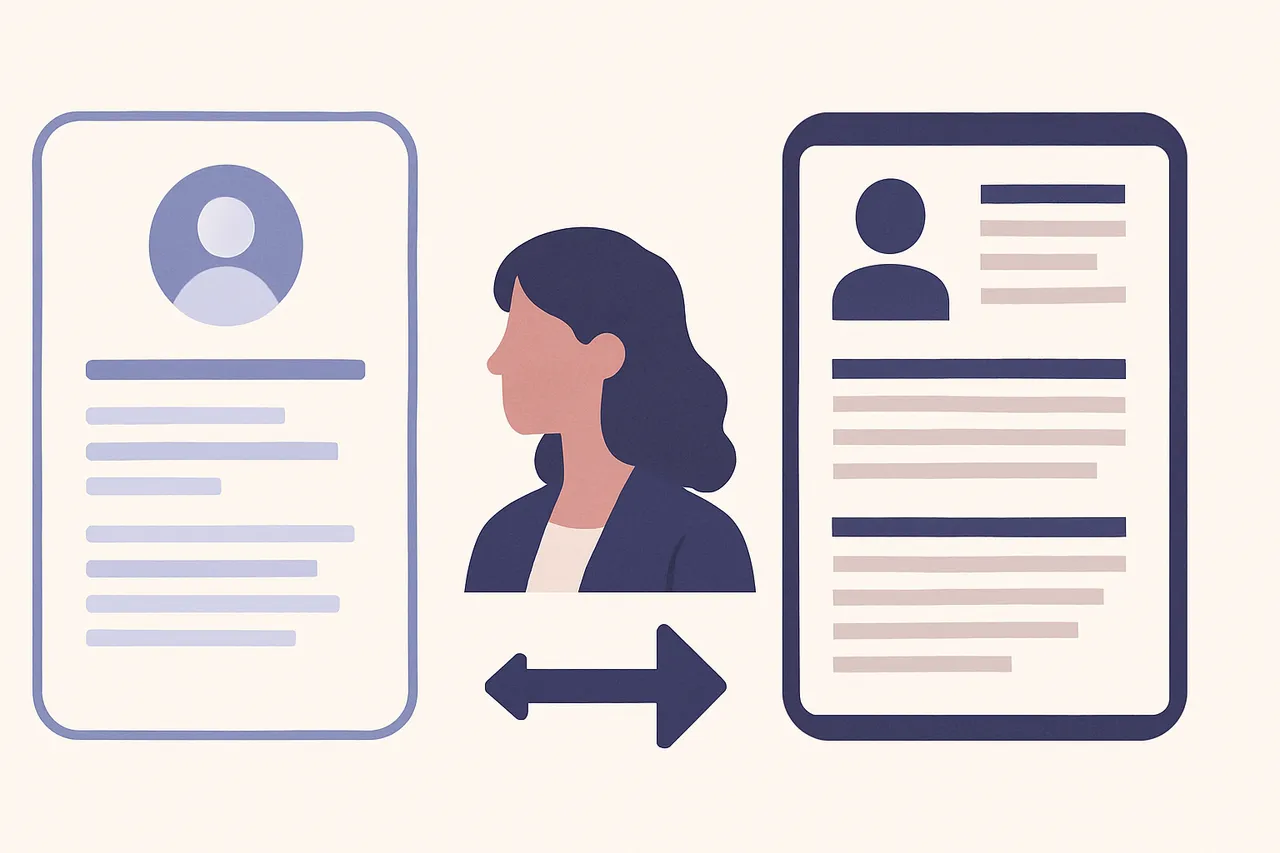
While both your LinkedIn profile and resume aim to present your qualifications, they do so in different formats and styles. Here are some key differences to consider:
Length: Resumes are generally one page (two at most), while LinkedIn profiles can be more extensive, allowing for a deeper exploration of your career.
Tone: Resumes are usually more formal, while LinkedIn allows for a conversational tone that can reflect your personality.
Visuals: Resumes are text-based, but LinkedIn supports multimedia elements like photos, videos, and links to your work, enhancing your profile's appeal.
Keywords: Resumes are tailored for specific job listings; LinkedIn profiles should include broader industry keywords to enhance discoverability.
When crafting your resume, focus on the following elements to ensure it stands out to hiring managers:
Contact Information: Include your name, phone number, email address, and LinkedIn profile link for easy access.
Objective or Summary Statement: A brief, tailored statement about your career goals and what you bring to the table, setting the tone for your resume.
Work Experience: Detail your previous positions, responsibilities, and achievements, focusing on quantifiable results that demonstrate your impact. For example, instead of saying 'managed a team,' you might say 'led a team of 5 to increase sales by 20% over six months.'
Education: List your degrees, certifications, and any relevant coursework, highlighting any honors or distinctions.
Skills: Highlight key skills that are relevant to the job you’re applying for, using keywords that align with the job description.
What to Include in Your LinkedIn Profile
Your LinkedIn profile should reflect your professional identity and be more comprehensive than your resume. Consider including:
Professional Headline: A strong, descriptive headline that summarizes your career focus and makes you stand out.
Profile Summary: An engaging summary that tells your professional story and showcases your personality, providing a glimpse into your passions and motivations.
Experience: Similar to your resume, but you can include more detailed descriptions and media attachments that highlight your work. For instance, adding a presentation or project report can provide context to your achievements.
Skills & Endorsements: List your skills and request endorsements from colleagues to add credibility and validate your expertise.
Recommendations: Ask for recommendations from past supervisors or coworkers to enhance your profile, as these testimonials can significantly boost your credibility.
Optimizing Your LinkedIn Profile for Job Search
To make the most of your LinkedIn profile, consider these optimization strategies that can enhance your visibility and appeal to recruiters:
Complete Your Profile: Aim for a 100% completion rate to increase visibility and show that you are an active user.
Customize Your URL: Personalize your LinkedIn URL to make it easier to share and remember, enhancing your professional brand.
Engage with Content: Post relevant articles, comment on industry news, and share your insights to position yourself as a thought leader in your field.
Join Groups: Participate in LinkedIn groups related to your industry to expand your network and connect with like-minded professionals.
Tailoring Your Resume for Specific Applications
One of the most effective strategies for job searching is tailoring your resume for each position you apply to. Here’s how to do it:
Analyze the Job Description: Identify keywords and required skills mentioned in the posting to align your resume with the job.
Match Your Experience: Align your previous job responsibilities and achievements with the job requirements, showcasing your fit for the role.
Highlight Relevant Skills: Focus on skills that are specifically requested by the employer, ensuring your resume speaks directly to the job at hand.
Why You Need Both a LinkedIn Profile and a Resume
Having both a strong LinkedIn profile and a polished resume is crucial in today's job market. Employers often search for candidates online and will look at your LinkedIn profile as part of their evaluation process. Moreover, your resume is still a required document for most applications, especially in formal settings. By maintaining both, you ensure that you can present a comprehensive view of your qualifications while catering to different aspects of the hiring process. Each tool complements the other, providing a fuller picture of your capabilities and achievements.
Conclusion: Harmonizing Your LinkedIn Profile and Resume
In essence, understanding the distinctions between your LinkedIn profile and resume can significantly enhance your job search effectiveness. By strategically utilizing both tools, you can ensure that you present a cohesive and compelling narrative about your professional journey. Take the time to refine both your LinkedIn profile and resume, and watch as you attract more opportunities in your career. For those looking to elevate their job search, consider using our free resume builder, which features customizable templates and tips to create a standout resume that complements your LinkedIn presence.
Ready to take the next step in your job search? Let’s analyze your LinkedIn profile and resume together!