Learn how to tailor your resume to a job description efficiently, enhancing your chances of landing an interview.
The Ruubu Team··5 min read
In today's competitive job market, making your resume stand out can be the key to landing an interview. Tailoring your resume to match a specific job description is crucial. With the right approach, you can efficiently align your resume with the job's requirements, increasing your chances of success.
Understand the Job Description
The first step in tailoring your resume is to thoroughly understand the job description. Employers often include specific skills, experiences, and qualifications they are looking for in a candidate. By carefully reading through the job description, you can identify the key requirements and desired competencies. This understanding forms the foundation of a well-tailored resume.
Job descriptions offer insights into company culture and role expectations. Look for language that suggests the company's values and priorities. For example, if teamwork is emphasized, highlight your ability to collaborate effectively.
Highlight essential skills and qualifications
Note any specific software or tools mentioned
Identify any repeated phrases or keywords
Match Your Skills and Experience
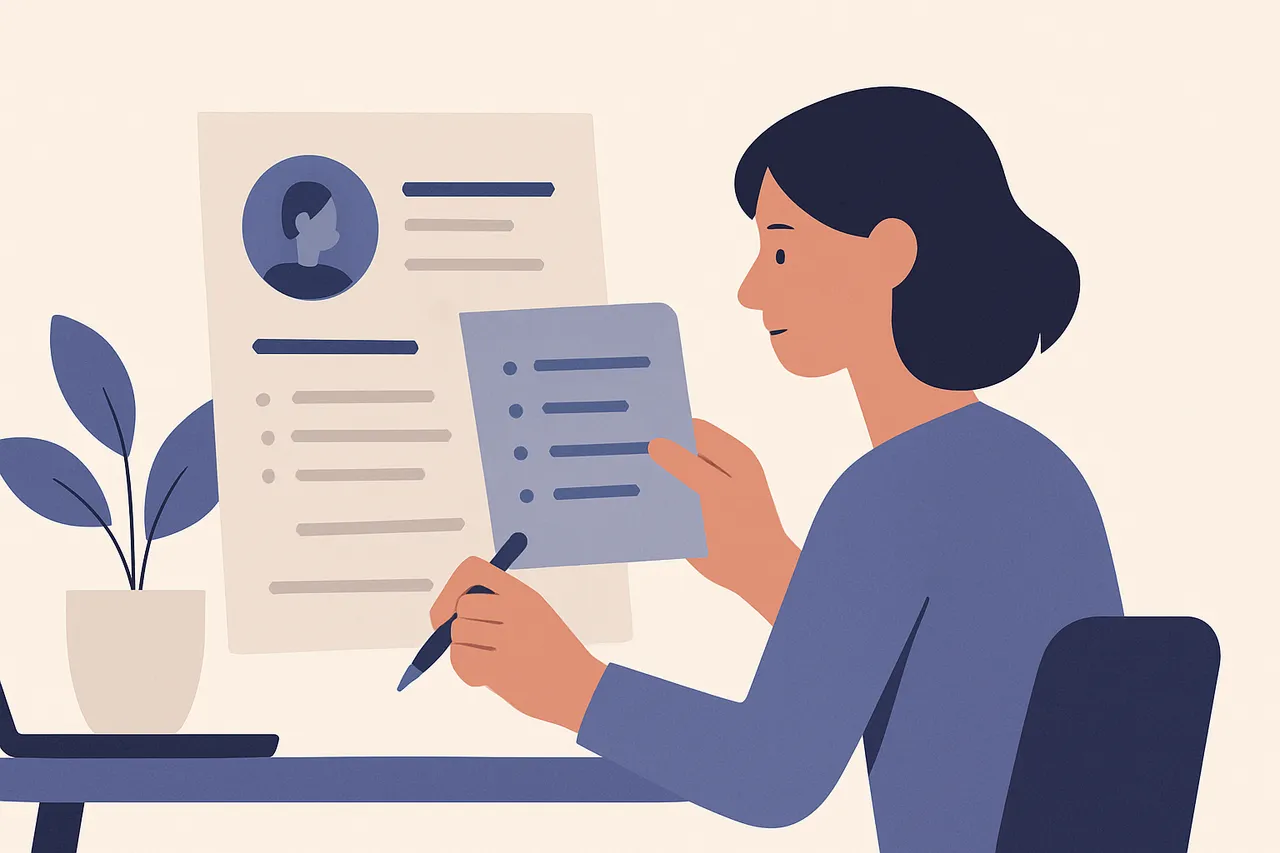
Once you have a clear understanding of the job requirements, align them with your skills and experiences. Focus on the most relevant experiences and skills that make you a strong candidate. This involves not only listing your skills but also substantiating them with examples from your previous work. Reflect on your past roles and consider how they relate to the job you are applying for.
For instance, if the job requires project management skills, describe a specific project you managed, detailing your role, the challenges faced, and the outcomes achieved. This approach provides concrete evidence of your capabilities and aligns your experience with the job's needs.
Incorporate the keywords from the job description into your resume. Many companies use Applicant Tracking Systems (ATS) to filter resumes, and these systems often rely on keyword matching. Ensure that your resume includes these terms naturally, without forcing them into the text. Keywords should be integrated throughout your resume, including in your job titles, descriptions, and skills section.
To identify the most important keywords, look for terms that are repeated or emphasized in the job description. These might include specific technologies, methodologies, or soft skills. Using these keywords strategically can help your resume pass the initial screening and reach human eyes.
Customize Your Professional Summary
Your professional summary is the first thing a hiring manager will read, so customize it to reflect the job description. Highlight how your background and skills align with the job's requirements, and why you are excited about the opportunity. This personalization can set the tone for the rest of your resume.
A compelling summary should be concise yet impactful. Start with a strong opening sentence that captures your professional identity and career goals. Follow this with a brief overview of your key skills and achievements that relate directly to the job. Tailoring your summary shows that you have taken the time to understand the role and are genuinely interested in it.
Focus on Achievements
Instead of listing duties, focus on achievements that demonstrate your impact. Use quantifiable results to show how you have contributed to previous employers. This not only provides evidence of your capabilities but also helps you stand out. Employers are interested in what you have accomplished, not just what you were responsible for.
For example, instead of saying "Responsible for managing a team," you could say "Led a team of 10 to increase sales by 20% in one year." This not only highlights your leadership skills but also provides a measurable outcome that demonstrates your effectiveness.
Use numbers to quantify achievements
Highlight promotions and recognitions
Showcase specific projects and results
Format for Clarity and Impact
A well-formatted resume is easier to read and more likely to capture attention. Use clear headings, bullet points, and consistent formatting to make your resume easy to navigate. Ensure that the most important information is prominent and that there is ample white space to enhance readability.
Consider using a modern, clean design that reflects your professionalism. While creativity can be an asset, especially in design-related fields, clarity and readability should always be your top priorities. A cluttered or overly complex layout can detract from the content of your resume.
Keep It Concise
While tailoring your resume, keep it concise. Avoid including irrelevant information that doesn't add value to your application. A focused, well-structured resume will be more compelling than a lengthy document filled with unnecessary details.
Aim to keep your resume to one or two pages, depending on your experience level. Every section should serve a purpose and contribute to your overall narrative as a candidate. Remember, your resume is a marketing tool, not an autobiography.
Review and Refine
Before submitting your tailored resume, review it for any errors or inconsistencies. Check that all the information is accurate and aligns with the job description. Reading your resume aloud can also help identify awkward phrasing or mistakes. Consider using a tool like Ruubu's resume analyzer to ensure your resume is polished and professional.
Additionally, seek feedback from trusted colleagues or mentors who can provide an objective perspective. They may catch errors you missed or suggest improvements to strengthen your presentation. A second opinion can be invaluable in refining your resume to perfection.
Tailoring your resume is an essential step in the job application process. By taking the time to customize your document for each job, you demonstrate your commitment and attention to detail—qualities that employers value highly. Start customizing your resume for job descriptions today by visiting our resume tailoring service.
Start customizing your resume for job descriptions today.