Resume Summary vs Objective: Which is Right for You?
Understand the difference between a resume summary and an objective to choose the best option for your career goals.
The Ruubu Team··5 min read
Crafting a compelling resume involves making strategic choices, one of which is deciding between a resume summary and an objective. Understanding their differences can significantly impact how your application is perceived by potential employers.
Understanding Resume Summaries
A resume summary is a concise statement that highlights your most relevant skills and experiences. It's typically used by professionals with several years of experience, offering a snapshot of their career achievements. This section of your resume should be tailored to reflect the job you're applying for, ensuring that your most impressive accomplishments and skills are front and center. A well-crafted summary can capture the attention of hiring managers quickly, making it an essential component for experienced professionals.
Consider an example: a marketing manager with over a decade of experience might craft a summary that emphasizes their success in driving growth and increasing brand awareness. This summary could highlight specific achievements, such as leading a team that increased sales by 20% over one year, or launching a successful digital campaign that boosted customer engagement by 30%.
Focuses on past achievements and skills
Highlights career accomplishments
Ideal for experienced professionals
The resume summary serves as a powerful introduction to the rest of your resume. It sets the tone for what follows and gives employers a reason to continue reading. By focusing on your most significant achievements, you can effectively convey your professional value and potential contributions to a new employer.
Decoding Resume Objectives
In contrast, a resume objective outlines your career goals and what you aim to achieve in a new position. This is particularly useful for those entering the workforce or changing career paths. A well-crafted objective can demonstrate your enthusiasm and commitment to your new career direction, making it an excellent tool for entry-level job seekers or those transitioning to a different field.
For instance, a recent college graduate applying for a software development position might write an objective that highlights their educational background, relevant internships, and a passion for technology. This approach not only showcases their qualifications but also their eagerness to contribute to the company’s success.
Emphasizes future goals
Good for entry-level job seekers
Useful for career changers
Resume objectives can also be effective for career changers. If you're moving from a career in finance to one in education, your objective might focus on your desire to leverage analytical skills in a teaching environment, thus aligning your past experience with your future goals.
Resume Summary vs Objective: Key Differences
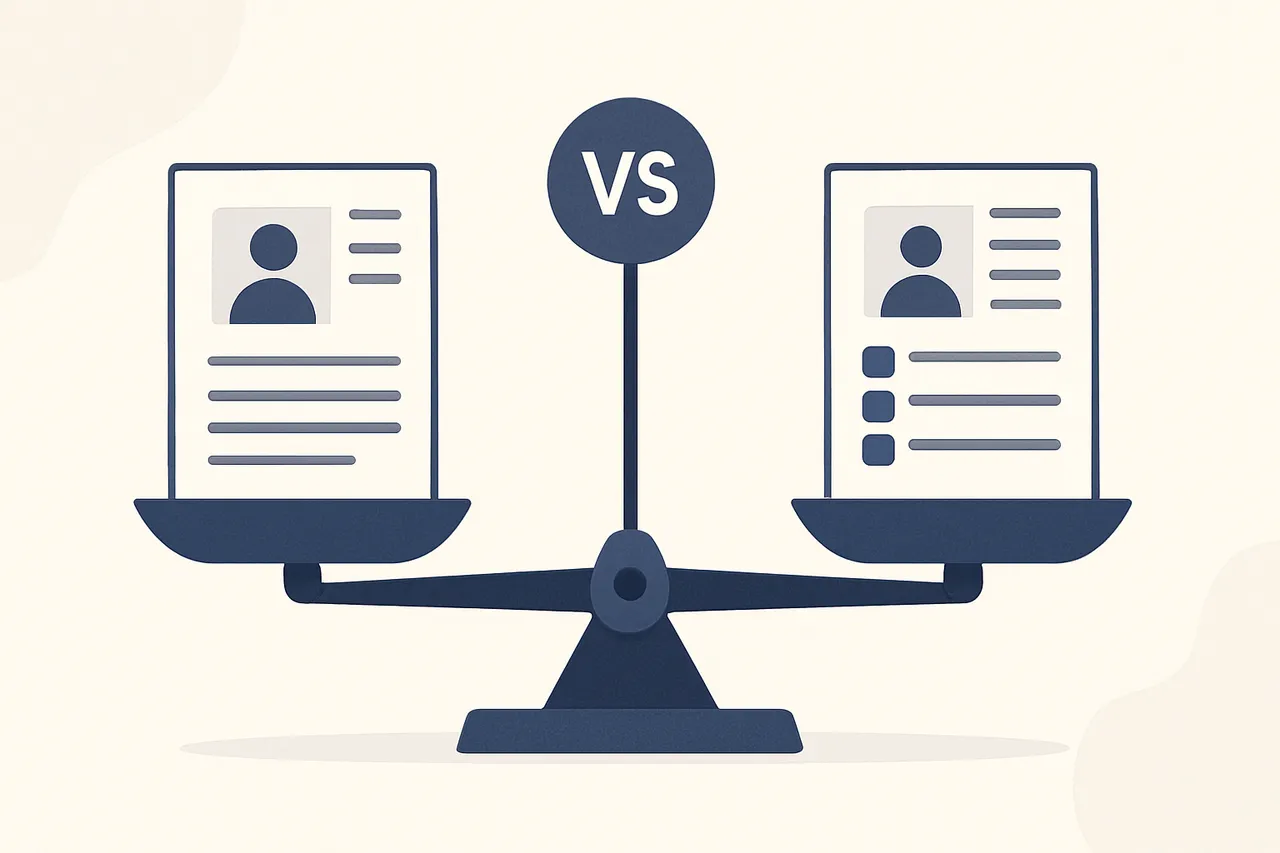
When comparing a resume summary vs objective, the primary difference lies in focus. Summaries spotlight your past achievements, while objectives are forward-looking. Choosing between the two depends on your career stage and the message you want to convey. For experienced professionals, a summary can succinctly communicate years of expertise and accomplishments. For those just starting out or changing careers, an objective can articulate your aspirations and the unique skills you bring to the table.
When to Use a Resume Summary
Use a summary if you have extensive experience and a track record of achievements. It helps in quickly conveying your value to employers, especially if you're vying for senior roles. A summary is particularly beneficial in industries where experience and proven results are paramount. For example, in fields like sales or project management, where past performance is a strong predictor of future success, a resume summary can be a decisive factor in securing an interview.
When to Opt for a Resume Objective
Opt for an objective if you are a recent graduate, transitioning careers, or lack direct experience in the field you're entering. It allows you to express your enthusiasm and future aspirations. An objective can also be tailored to highlight transferable skills that are relevant to the new role, making it clear to employers why you are a strong candidate despite a lack of direct experience.
Tailoring Your Choice to the Job Description
No matter your choice, tailoring your resume content to the job description is crucial. Aligning your summary or objective with the specific requirements of the role can significantly increase your chances of getting noticed. This involves not only matching your skills and experiences to the job requirements but also using the language and keywords found in the job listing. For example, if a job posting emphasizes teamwork and leadership, ensure these aspects are prominent in your resume. Customizing your resume in this way demonstrates your attention to detail and understanding of the employer’s needs.
For those looking for assistance in crafting a tailored resume, using a free resume builder can be beneficial. This tool offers templates and guidance to help you create a professional resume that aligns with the job you're targeting, ensuring that your summary or objective is as impactful as possible. According to a recent survey, applicants who used resume builders reported a 25% increase in interview invitations.
Common Mistakes to Avoid
Whether you choose a summary or an objective, avoid generic statements that could apply to anyone. Be specific about your skills, experiences, and goals to stand out from other candidates. Using vague language or failing to customize your resume for each job application can undermine your efforts. Instead, focus on demonstrating how your unique background and skills make you the ideal candidate for the position.
Avoid vague language
Don't use the same statement for all applications
Ensure alignment with the job role
Conclusion: Choosing the Right Approach
The choice between a resume summary and an objective should be driven by your career stage and the job you're applying for. Reflect on what will best showcase your qualifications and align with the employer's needs. By thoughtfully considering your career goals and the expectations of potential employers, you can craft a resume that effectively communicates your value and enhances your job application.