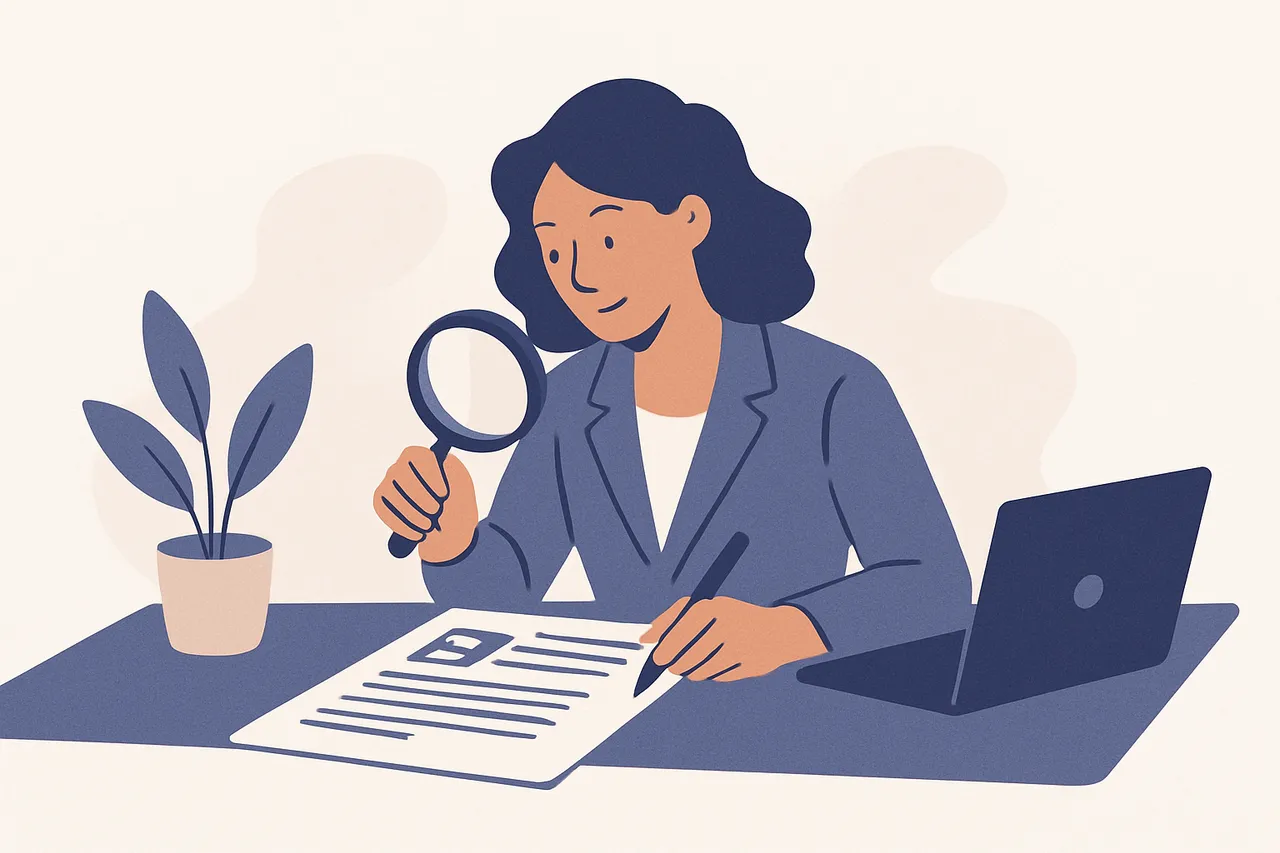
Proofreading your resume is a crucial step in the job application process. A polished resume not only showcases your qualifications but also reflects your attention to detail and professionalism. In a competitive job market, ensuring that your resume is free of errors can make a significant difference in capturing the attention of hiring managers. This guide will walk you through how to proofread your resume effectively, step by step.
Understanding the Importance of Proofreading Your Resume
Before diving into the specifics of how to proofread your resume, it's essential to understand why this process matters. A resume riddled with typos, grammatical errors, or formatting inconsistencies can create a negative impression, suggesting carelessness or lack of professionalism. Hiring managers often spend only a few seconds on an initial resume review, making it critical to present a flawless document that highlights your skills and experiences. In fact, studies indicate that a well-proofread resume can increase your chances of landing an interview by up to 50%. Therefore, investing time in this process is not just beneficial; it's necessary.
Step 1: Take a Break Before Proofreading
After crafting your resume, take a break before you start proofreading. This pause allows you to return to your document with fresh eyes, making it easier to spot errors. Even a short break of a few hours can enhance your ability to catch mistakes. During this time, engage in a different activity or focus on something unrelated to your job application. This mental reset can significantly improve your focus and attention to detail when you resume proofreading.
Step 2: Read Aloud
One effective technique for proofreading is to read your resume aloud. This method helps you identify awkward phrasing and overlooked errors. When you hear the words, you may catch mistakes that your eyes gloss over. As you read, pay attention to each section, ensuring that it flows logically and maintains clarity. Additionally, consider recording yourself while reading and listening to the playback. This can provide an even clearer perspective on how your resume sounds to potential employers. Practicing this technique can help you develop a better understanding of how your language and phrasing resonate with the reader.