15-Minute Checklist: Phone Interview Tips for Success
Master your next phone interview with these essential tips and a quick 15-minute checklist to boost your confidence and readiness.
The Ruubu Team··4 min read
Phone interviews have become a standard part of the hiring process, allowing employers to screen candidates before inviting them for in-person meetings. However, they can also be a daunting experience if you're not adequately prepared. Fortunately, with the right approach and a focused checklist, you can navigate this crucial step with confidence. This article provides essential phone interview tips and a quick 15-minute checklist to help you shine.
Understand the Format of Phone Interviews
Before diving into preparation, it's vital to understand what a phone interview typically entails. These interviews can vary in style, ranging from informal chats to structured question-and-answer sessions. Often, they last between 15 to 30 minutes and may include several interviewers from the hiring team. Knowing this helps you tailor your responses and manage your time effectively. Understanding the format can also reduce anxiety, as you'll have a clearer picture of what to expect.
Research the Company
A significant part of preparing for any interview is understanding the company you're applying to. Spend a few minutes reviewing the company’s website, recent news articles, and their social media profiles. Pay attention to their mission, values, and any recent projects or achievements. This information will not only help you answer questions more effectively but will also enable you to demonstrate your genuine interest in the role. Knowing the company's culture and recent developments can give you an edge, allowing you to align your responses with their goals.
While you cannot predict every question, preparing answers for common interview questions can significantly enhance your performance. Here are some typical questions to consider:
Tell me about yourself.
What are your strengths and weaknesses?
Why do you want to work here?
Describe a challenge you've faced and how you overcame it.
Think about how your past experiences relate to the position and be ready to provide specific examples. Use the STAR method (Situation, Task, Action, Result) to structure your answers effectively. Practicing your responses aloud can also help you sound more natural and confident during the actual interview. Additionally, consider conducting mock interviews with a friend or family member to simulate the experience and receive constructive feedback.
Set Up Your Environment
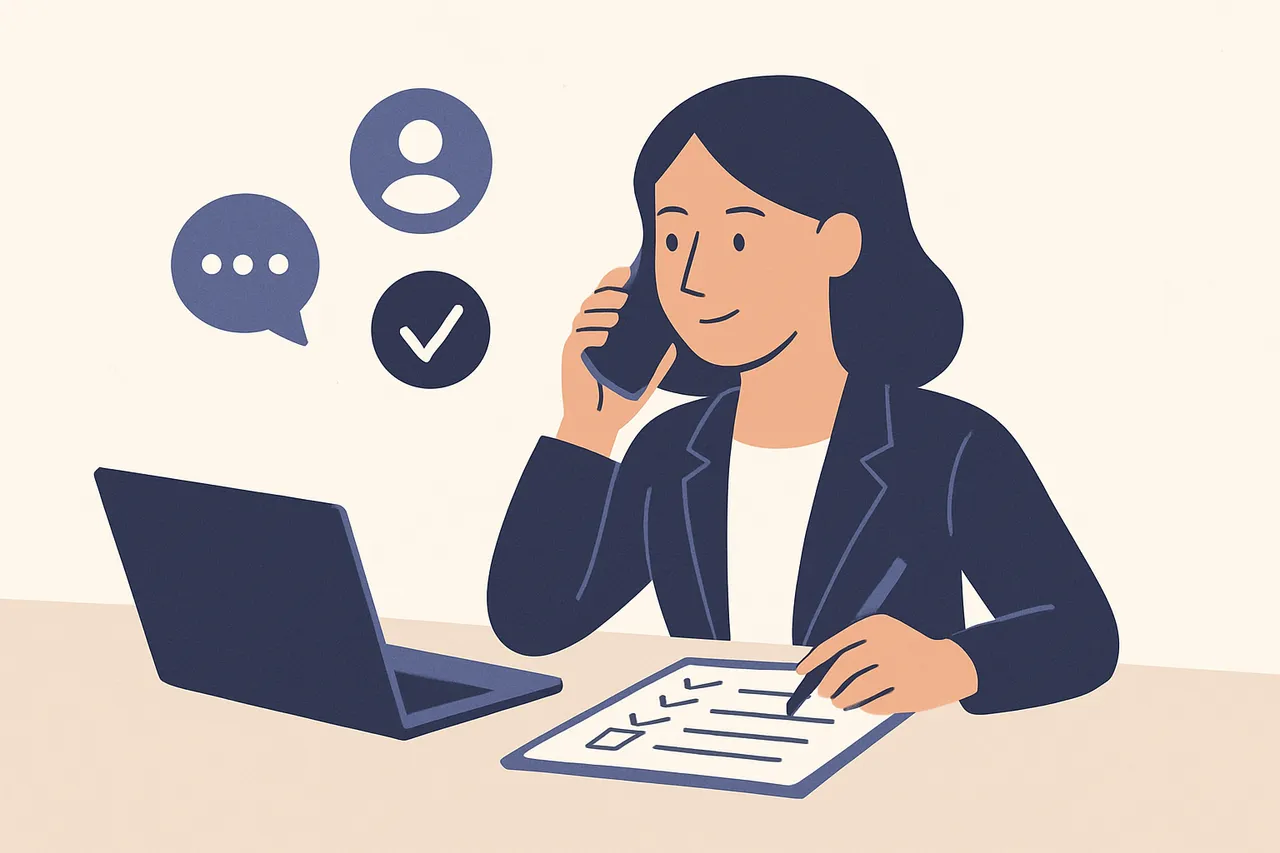
A quiet, distraction-free environment is crucial for a successful phone interview. Make sure your phone is charged, and if you’re using a landline, confirm that it is working properly. Here are some tips for setting up your environment:
Choose a quiet room with no interruptions.
Ensure good phone reception.
Have a glass of water nearby.
Keep your resume and notes within reach.
Practice Active Listening
During a phone interview, it can be tempting to focus solely on your responses. However, active listening is just as important. This involves paying attention to the interviewer’s words, tone, and pace. Make sure to pause before responding to ensure you’ve fully understood the question. If something isn’t clear, don’t hesitate to ask for clarification. Engaging with the interviewer through active listening can also help build rapport. You might also summarize their questions to confirm your understanding, which shows that you are engaged and attentive.
Utilize Your 15-Minute Checklist
With only 15 minutes before your interview, it's essential to have a checklist that allows you to maximize your preparation time. Here’s a quick rundown of what to do:
Review your research on the company.
Go over your prepared answers.
Settle into a quiet space.
Check your phone connection.
Take a few deep breaths to calm your nerves.
Follow Up After the Interview
Once the interview is over, don’t forget to send a follow-up email thanking the interviewer for their time. This not only shows your appreciation but also reinforces your interest in the position. A concise email reiterating one or two points from the conversation can leave a lasting impression. Following up demonstrates professionalism and can set you apart from other candidates. Consider including a specific example from the interview that highlights your fit for the role.
Additional Resources for Interview Preparation
For those looking to enhance their interview skills further, consider exploring more resources. You can find valuable insights and strategies on how to approach different types of interviews, including behavioral and technical interviews. For a more in-depth analysis of your interview performance and tailored feedback, check out our analyze page. Additionally, you might want to explore forums or groups related to your field, where you can gain insights from others' experiences.
Take your interview preparation to the next level!