Profile AnalysisResume CheckerSkills ExtractorTemplatesExamplesBlogPricing
Log inAnalyzeAnalyze my profile

Your profile, through a recruiter's eyes. A resume that sounds like you. Jobs that actually fit.

We never post to your LinkedIn or share your data.

Product

  • Features
  • Resume builder
  • Profile analysis
  • Resume checker
  • Resume templates
  • Design & formatting
  • Cover letters
  • Pricing

Tools

  • Resume tailoring
  • AI resume polish
  • Job matches
  • Interview prep
  • Job tracking
  • Translation
  • Skills extractor
  • QR sharing

Company

  • Help center
  • Blog
  • Contact

Legal

  • Privacy Policy
  • Terms of Service
  • Refund Policy

Ruubu is an independent product, not affiliated with LinkedIn. Your data is never posted to your accounts or sold.

© 2026 Ruubu. All rights reserved.· English (US)
Secure checkout — powered by Stripe
  • Visa
  • Mastercard
  • American Express
  • Discover
  • Apple Pay
  • Google Pay
All articles
Resume

Creative Resume Design: When to Use It and When It Backfires

Explore the benefits and pitfalls of creative resumes. Learn when to use them effectively and when they may hinder your job search.

The Ruubu Team·Jun 30, 2026·5 min read
Creative Resume Design: When to Use It and When It Backfires

On this page

  1. 01What is a Creative Resume?
  2. 02When to Use a Creative Resume
  3. 03Benefits of a Creative Resume
  4. 04When a Creative Resume May Backfire
  5. 05Signs You Should Avoid a Creative Resume
  6. 06Best Practices for Creating a Creative Resume
  7. 07Examples of Effective Creative Resumes
  8. 08Tailoring Your Resume for the Audience
  9. 09Conclusion

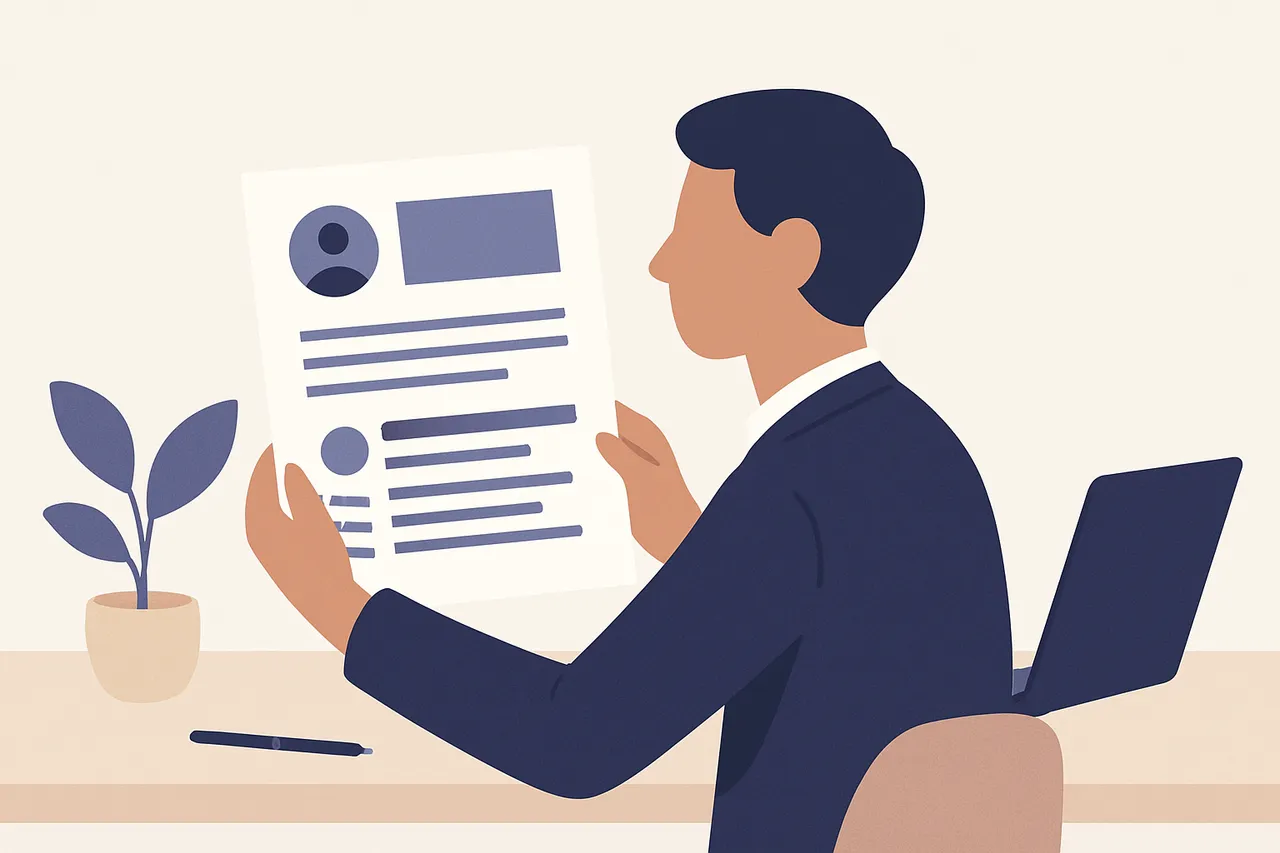
In today's competitive job market, a creative resume can set you apart from the crowd. However, while a unique design can showcase your personality and skills, it can also backfire if not used appropriately. Understanding when to use a creative resume—and when to stick to a traditional format—is crucial for job seekers looking to make a lasting impression. A well-crafted resume is not just a document; it's a marketing tool that reflects your brand and professional identity.
Creative Resume Design: When to Use It and When It Backfires

What is a Creative Resume?

A creative resume is a visually distinct document that often includes elements like graphics, colors, and unconventional layouts. Unlike traditional resumes that follow a more standardized format, creative resumes allow individuals to express their personal brand and creativity. Artists, marketers, designers, and other creative professionals often benefit from using this style to showcase their talents. This format can highlight not only your professional experience but also your ability to think outside the box, which is an essential trait in many creative fields. The choice of design elements can also communicate your familiarity with industry trends and tools, further enhancing your appeal to potential employers.

When to Use a Creative Resume

There are specific scenarios where a creative resume can enhance your job application. Here are some situations where a creative approach is advantageous:

  • You’re applying for a creative role (e.g., graphic designer, marketer, content creator).
  • Your target employer values innovation and out-of-the-box thinking.
  • You want to stand out in a crowded job market.
  • You have a strong visual portfolio that complements your resume.
Benefits of a Creative Resume

Keep reading

Related articles

How to Write a Teacher Resume: What Schools Look For
Resume

How to Write a Teacher Resume: What Schools Look For

5 min read
Resume Header Examples: What to Include and What to Drop
Resume

Put this advice to work on your own profile.

Run a free analysis and see exactly where your profile stands — then fix it in minutes.

Analyze your profile

Using a creative resume can offer several benefits, including:

  • Grab Attention: A visually appealing resume can capture the hiring manager's interest immediately, making them more likely to remember you. This initial impression can be critical in competitive fields.
  • Showcase Skills: Creative formatting can illustrate your design abilities and attention to detail, which are crucial in many industries. It allows you to demonstrate your skills in a practical application, rather than just listing them.
  • Express Personality: A unique design allows you to convey your personal brand and individuality, giving potential employers insight into who you are as a person. This can help you connect on a personal level, which is often just as important as qualifications.

When a Creative Resume May Backfire

While there are advantages, a creative resume may not always be the best choice. Here are instances where it could hurt your chances:

  • You’re applying to a conservative industry (e.g., finance, law, government) where traditional formats are preferred. In these fields, clarity and professionalism are paramount.
  • Your design skills aren't strong, making the resume appear cluttered or unprofessional. A poorly designed resume can detract from your qualifications.
  • The company’s application process is automated, as ATS (Applicant Tracking Systems) may not parse creative designs effectively. Many companies rely on these systems to filter resumes, and a creative format might hinder your chances of passing the initial screening.

Signs You Should Avoid a Creative Resume

  1. The job listing specifically requests a traditional resume format.
  2. You are unsure about the company culture and its stance on creativity. Researching the company’s past hiring practices can provide insight.
  3. Your resume is cluttered and lacks clear organization, making it hard to read. A disorganized resume can confuse hiring managers and detract from your qualifications.

Best Practices for Creating a Creative Resume

If you decide to go ahead with a creative resume, here are some best practices to keep in mind:

  • Keep it Professional: Ensure that your creativity does not compromise professionalism. Use appropriate fonts, colors, and layouts that align with the industry standards. Avoid overly flashy designs that can distract from the content.
  • Highlight Relevant Experience: Regardless of the design, prioritize your experience and skills relevant to the job. Tailoring your content to the position can significantly increase your chances of getting noticed. Use keywords from the job description to align your resume with what the employer is looking for.
  • Ensure Readability: Use clear headings and bullet points to make information easily digestible. A well-organized resume is crucial, even in a creative format. Balance creativity with clarity to ensure that your key points stand out.

Examples of Effective Creative Resumes

Some effective creative resumes include:

  • Infographic resumes that combine visuals with key information, making complex data easy to understand. These can be particularly effective for roles that require data interpretation.
  • Interactive digital resumes that allow employers to engage with your work, often leading to a more memorable experience. These can include links to projects or videos that showcase your skills.
  • Portfolio-style resumes that showcase your projects alongside your experience, providing a comprehensive view of your capabilities. This format can be particularly appealing to creative professionals who have tangible work to display.

Tailoring Your Resume for the Audience

Ultimately, the decision to use a creative resume should depend on your target audience. Research the companies you are applying to and assess whether a creative approach aligns with their values and culture. Consider creating two versions of your resume: one traditional and one creative. This way, you can adapt your approach based on the job you’re applying for. Additionally, familiarize yourself with the specific expectations of your industry by checking out resources like resume design guides. Understanding the nuances of your field can help you make an informed decision about your resume style.

Conclusion

In conclusion, a creative resume can be a powerful tool in the right circumstances. By understanding when to use this format and how to execute it effectively, you can enhance your job search and make a memorable impression. Always consider your audience, the industry standards, and your own design capabilities before deciding on a creative resume. Remember, the goal is to present yourself as a qualified candidate while also standing out in a positive way. A thoughtful approach to your resume design can open doors and create opportunities that might otherwise remain closed.

Explore our templates to find the right style for your career.

Browse Resume Templates

Resume Header Examples: What to Include and What to Drop

5 min read
Crafting a Software Engineer Resume That Passes ATS
Resume

Crafting a Software Engineer Resume That Passes ATS

5 min read