Academic CV vs. Resume: Key Differences for Researchers
Understanding the differences between an academic CV and a resume is crucial for researchers. This guide breaks down their unique purposes and structures.
The Ruubu Team··5 min read
Navigating the job market as a researcher can be challenging, especially when it comes to presenting your qualifications effectively. One of the most common dilemmas faced by those in academia is deciding between an academic CV and a resume. Understanding the differences between these two formats is crucial for effectively showcasing your skills and experiences. This guide will delve into the nuances of both documents, providing you with the insights needed to make an informed choice.
Defining Academic CV and Resume
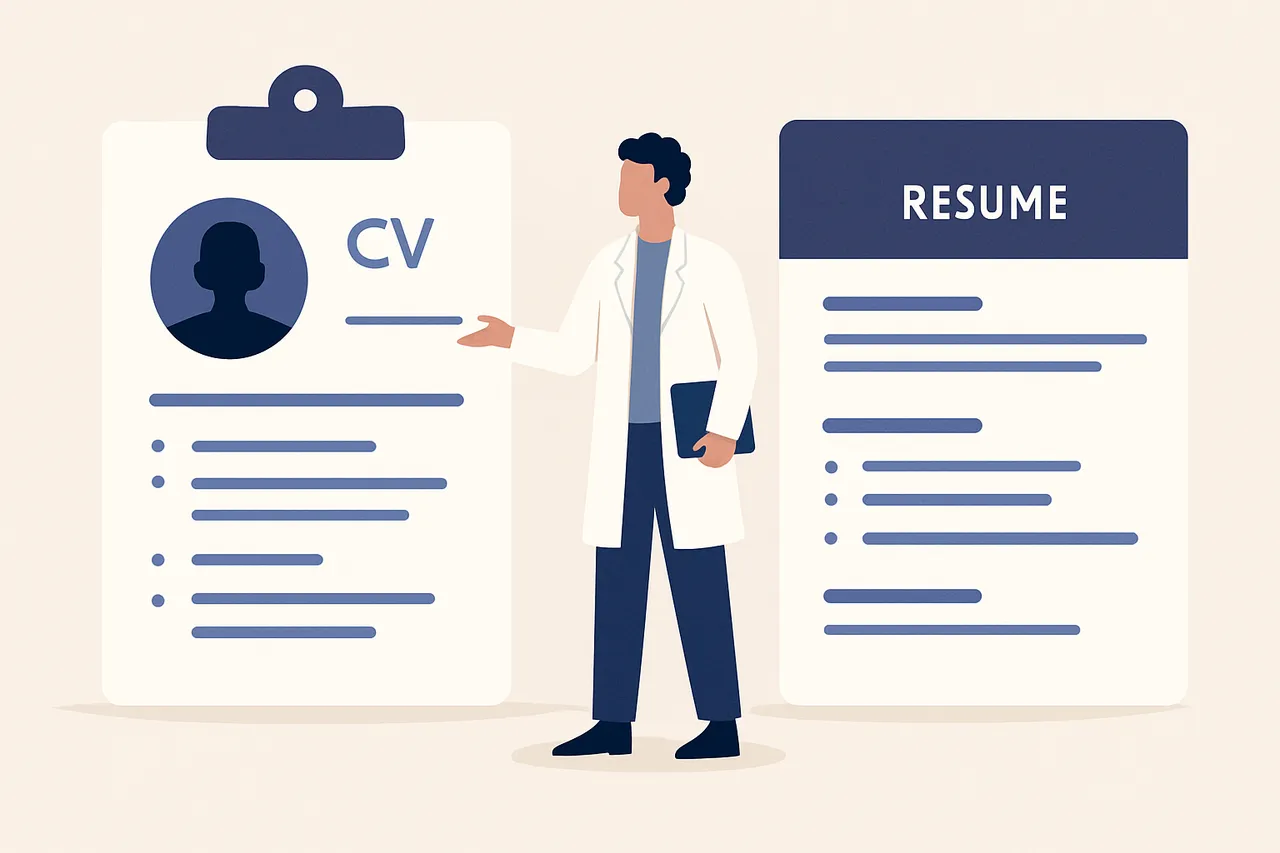
At their core, both an academic CV and a resume serve the purpose of detailing your professional history, skills, and accomplishments. However, they cater to different audiences and contexts.
An academic CV is a comprehensive document that provides an in-depth overview of your academic qualifications, including education, research, publications, and teaching experience. It is often used in applications for academic positions, grants, and fellowships.
A resume is a concise summary tailored for specific job applications, highlighting relevant work experience and skills. It is typically used in the private sector and for non-academic roles.
Length and Detail: Key Differences
One of the most noticeable differences between an academic CV and a resume is their length and level of detail. Understanding these differences can help you choose the appropriate format for your application.
Academic CVs can span multiple pages, often exceeding three or four, depending on your experience and achievements. They provide a comprehensive view of your academic journey, showcasing everything from your education to your publications.
Resumes are typically one to two pages long, focusing on brevity and relevance to the job at hand. The goal is to present a snapshot of your qualifications that aligns closely with the job description.
Content Structure and Focus
When comparing the academic CV vs. resume, the structure of each document varies significantly. Each section is designed to highlight different aspects of your professional life.
Academic CV Structure
An academic CV generally includes the following sections:
Contact Information
Education
Research Experience
Teaching Experience
Publications
Presentations
Grants and Awards
Professional Affiliations
Conferences Attended
Professional Development
Resume Structure
In contrast, a resume may include:
Contact Information
Summary or Objective Statement
Work Experience
Skills
Education
Certifications
Relevant Projects or Volunteer Work
Purpose and Audience
The intended audience for your document also dictates the format you should use. Academic CVs are primarily targeted at academic institutions, research organizations, and grant committees. They emphasize your scholarly contributions and are often evaluated by committees looking for specific qualifications.
Resumes, on the other hand, are tailored for industry positions, focusing on skills and experiences relevant to the specific job. Employers in the private sector are often looking for candidates who can demonstrate their ability to contribute to the company’s goals quickly.
How to Choose the Right Format
Deciding whether to use an academic CV or a resume often hinges on the opportunity you are pursuing. Consider the following guidelines:
Use an academic CV when applying for academic positions, research roles, or grants. This format allows you to detail your extensive qualifications and contributions to your field.
Opt for a resume when seeking positions in industry or non-academic settings. Here, you should focus on skills and experiences that are directly applicable to the job.
Tailoring Your Document
Regardless of the format you choose, tailoring your document is essential. For both academic CVs and resumes, consider the following tips to enhance your application:
Analyze the job description and identify key qualifications that the employer is seeking.
Highlight relevant experiences that align with the position, ensuring that your most pertinent skills are easily visible.
Use specific keywords that match the requirements of the job description, as many employers utilize applicant tracking systems (ATS) to filter candidates.
Common Mistakes to Avoid
When crafting your academic CV or resume, be mindful of common pitfalls that can undermine your efforts. Avoiding these mistakes can significantly improve your chances of catching the attention of hiring committees or employers.
Using a one-size-fits-all approach without tailoring your document to the specific role or institution.
Including irrelevant experiences that do not relate to the position, which can dilute the impact of your qualifications.
Neglecting to proofread for grammatical and typographical errors, as these can create a negative impression and suggest a lack of attention to detail.
Conclusion
Understanding the differences between an academic CV and a resume is essential for researchers looking to advance their careers. By recognizing when to use each format and how to tailor your content, you can effectively present your qualifications to the right audience. Ultimately, the goal is to ensure that your application stands out in a competitive field.
For those who are still unsure about how to create an impactful document, consider utilizing our free resume builder to get started. It can provide you with templates and guidance tailored to your specific needs.
Enhancing Your CV and Resume with Additional Resources
In addition to understanding the structural differences between an academic CV and a resume, leveraging additional resources can significantly enhance your application. Many online platforms offer tools and templates that can simplify the process of creating a polished document. Utilizing a CV maker can provide you with the flexibility to customize your CV according to the requirements of the academic positions you are targeting.
Furthermore, engaging with mentors or colleagues who have successfully navigated the academic job market can provide invaluable insights. They can offer feedback on your CV or resume, helping you refine your content and presentation. Networking within your field can also open doors to opportunities and provide guidance on what specific institutions may prioritize in their hiring processes.
Lastly, consider attending workshops or webinars focused on CV and resume writing. These sessions often provide current best practices and allow you to ask questions specific to your situation. Continuous learning about how to present your qualifications effectively can make a significant difference in your job search.
Start building your academic CV today with our free tools.