Top Resume Skills for Machinists to Showcase
Discover essential machinist resume skills that can boost your job prospects and highlight your expertise in the field.
By Ruubu Editorial6 min read
In the competitive field of machining, showcasing the right skills on your resume can set you apart from the crowd. Employers are looking for machinists who not only have technical expertise but also possess a range of additional competencies that contribute to efficient and safe operations. This article outlines the top machinist resume skills you should consider highlighting to enhance your job prospects.
Technical Skills: The Foundation of a Machinist's Resume
When it comes to machining, technical skills are paramount. These are the core abilities that directly relate to operating machines, interpreting blueprints, and ensuring quality control. A strong foundation in technical skills not only ensures that you can perform your job effectively but also demonstrates your commitment to the craft. Key technical skills include:
- CNC Machining
- Manual Machining
- Blueprint Reading
- Quality Control
- Tool and Die Making
CNC machining, for example, is a highly sought-after skill as it involves programming and operating computer-controlled machines that can produce complex parts with high precision. Manual machining, while less common in some industries today, remains essential for understanding the fundamentals of machining and for scenarios where CNC machines may not be applicable. Blueprint reading is crucial as it allows machinists to interpret and understand the specifications and requirements of a project accurately. Quality control ensures that the final products meet industry standards and client expectations, which is vital for maintaining a good reputation.
Precision and Attention to Detail
Machinists must operate with precision and a keen eye for detail. This skill is critical in ensuring that components fit together as designed and function correctly. Employers value machinists who can consistently deliver high-quality work, as even minor errors can lead to significant problems in production. Skills that enhance precision include:
- Measuring Techniques
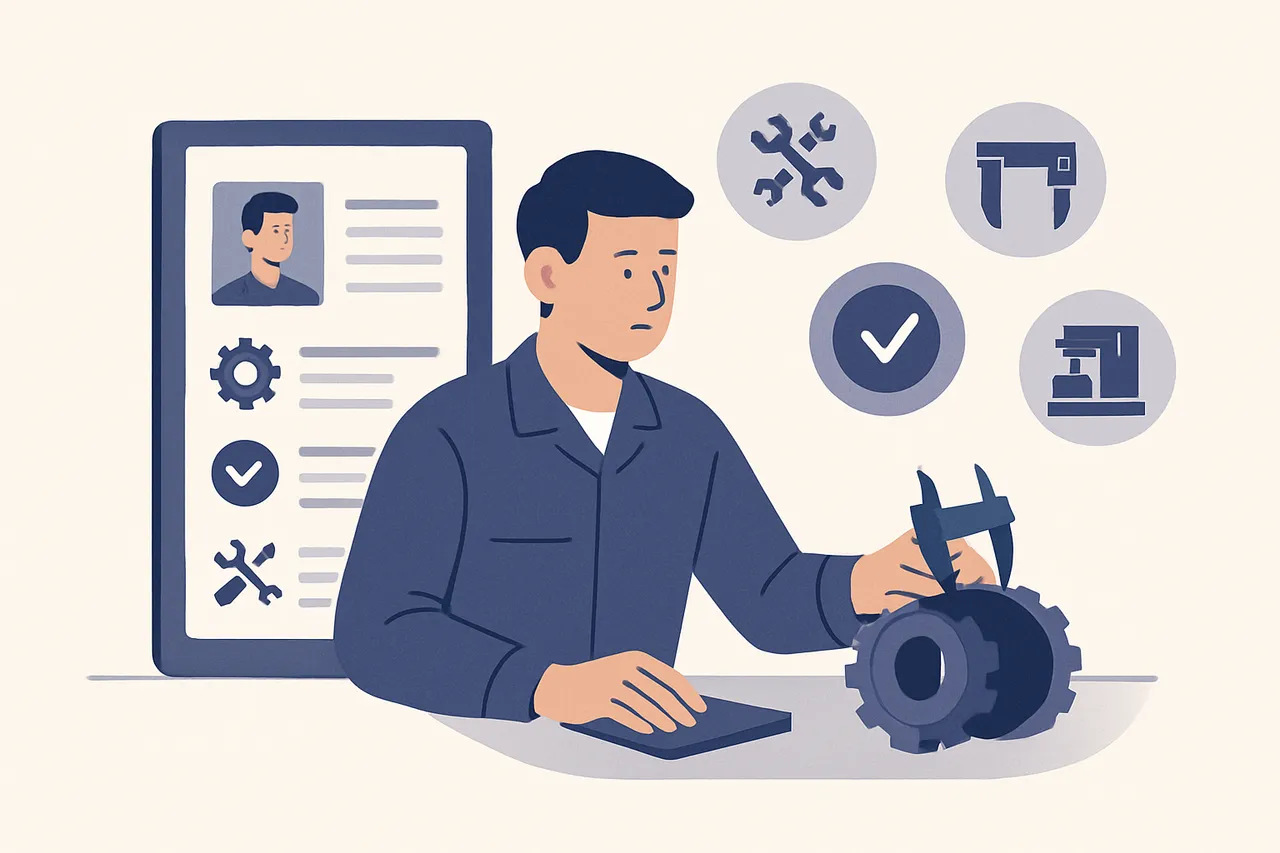
- Caliper and Micrometer Usage
- Tolerances and Specifications
- Inspection Procedures
Effective measuring techniques are fundamental for machinists, as they directly influence the accuracy of the work produced. Proficiency in using calipers and micrometers allows machinists to take precise measurements, which is essential for achieving the required tolerances and specifications. Furthermore, understanding inspection procedures is vital for ensuring that all parts meet the necessary quality standards before they are shipped out.
Problem-Solving and Analytical Skills
Machinists often face challenges that require quick thinking and effective problem-solving skills. Being able to identify issues and implement solutions swiftly can save time and resources. Employers seek candidates who can not only perform tasks but also troubleshoot and optimize processes. Important problem-solving skills include:
- Troubleshooting Equipment Issues
- Analyzing Production Processes
- Improving Workflow Efficiency
Troubleshooting equipment issues is a critical skill that helps minimize downtime and maintain productivity. Analyzing production processes allows machinists to identify bottlenecks and inefficiencies, leading to improved workflow efficiency. This proactive approach not only enhances individual performance but also contributes to the overall success of the team.
Interpersonal and Communication Skills
Collaboration is key in a machining environment. Being able to communicate effectively with team members, engineers, and supervisors helps ensure that projects run smoothly. Strong interpersonal skills can enhance teamwork and lead to better project outcomes. Essential skills in this area include:
- Team Collaboration
- Reporting Issues Clearly
- Listening and Responding to Feedback
Effective team collaboration is essential for achieving project goals, as it involves sharing ideas and resources. Reporting issues clearly ensures that everyone is on the same page and can address problems promptly. Additionally, listening and responding to feedback is crucial for personal and professional growth, as it allows machinists to refine their skills and adapt to the needs of the team.
Safety Awareness and Compliance
Safety is a non-negotiable aspect of machining. Employers prioritize candidates who are knowledgeable about safety protocols and can maintain a safe working environment. Understanding safety regulations not only protects you but also your colleagues and the integrity of the workplace. Key safety skills include:
- OSHA Regulations Knowledge
- Proper Use of Personal Protective Equipment (PPE)
- Emergency Response Procedures
Knowledge of OSHA regulations is essential for ensuring compliance and promoting a culture of safety. Proper use of personal protective equipment (PPE) is crucial for preventing accidents and injuries on the job. Familiarity with emergency response procedures ensures that machinists can act swiftly and effectively in case of an incident, further contributing to a safe work environment.
Adaptability and Continuous Learning
The machining industry is constantly evolving with new technologies and techniques. Showing that you are adaptable and committed to continuous learning can make a significant difference in your career. Employers appreciate machinists who are proactive about enhancing their skills and staying current with industry advancements. Skills that demonstrate adaptability include:
- Learning New Software
- Adapting to New Machinery
- Staying Updated with Industry Trends
Learning new software can streamline operations and improve productivity, while adapting to new machinery ensures that machinists remain competitive in the job market. Staying updated with industry trends not only enhances your skill set but also positions you as a knowledgeable professional who can contribute to innovative practices within your organization.
Creating a Compelling Resume
When crafting your machinist resume, be sure to tailor the skills you highlight to match the job description and required competencies. This targeted approach demonstrates to potential employers that you have the skills necessary for the role. Additionally, using a free resume builder can help you format your resume professionally and ensure that all relevant skills are prominently displayed. A well-organized resume can significantly increase your chances of being noticed by hiring managers.
Showcasing Your Skills with Examples
To further strengthen your resume, consider including specific examples of how you've applied your skills in past roles. This not only provides evidence of your capabilities but also makes your resume more engaging. You can refer to resume examples for inspiration on how to effectively present your skills and experiences. Providing quantifiable achievements, such as improving production efficiency by a certain percentage or successfully completing a challenging project, can make your resume stand out.
Final Thoughts on Machinist Resume Skills
In summary, a well-crafted machinist resume should highlight a mix of technical skills, precision, problem-solving abilities, interpersonal skills, safety awareness, and adaptability. By emphasizing these areas, you can increase your chances of standing out in a competitive job market. Remember to customize your resume for each application, showcasing the most relevant skills and experiences. This personalized approach not only reflects your qualifications but also demonstrates your genuine interest in the position.
Use our tools to effectively showcase your machinist skills.
Start Building Your Resume